


I remember as a child and even up until the past few years, the abundance of monarch butterflies I would see flitting every which way. They always stood out to me as being queens – never kings, by the way – only queens! To watch the caterpillars chomping away in the milkweed fields near our house, seeing their chrysalises, and then hoping to see the emergence, which I never did, was just a part of my life. I remember when I first learned they only live a few weeks then die. How sad, I thought.

More fascinating, though, was the fact that this did not apply to the very last crop of monarchs that were released into the crisper fall skies – they did not die! It was as if they were blessed, one of the chosen, given an eternity to live. They not only did not die, but they also flew thousands of miles to a place, their heavenly home as it were, to rest up for winter with all their buddies in a place called Mexico and then return again in the summer to lay eggs before they too would pass on. I still get goose bumps as I think about that!
Instead of mating and laying eggs, these ‘elect’ save their energy for migrating to a climate that can sustain them until springtime. These fall monarchs look exactly like all other monarchs – externally. But internally, their tiny bodies are quite rearranged! They do not possess the capacity to breed like the previous three or four summer generations before them. Shorter day length, cooler temperatures between day and night, and even the age of the milkweed plants that they ate as larvae has affected their internal growth, and they have become a super-breed!
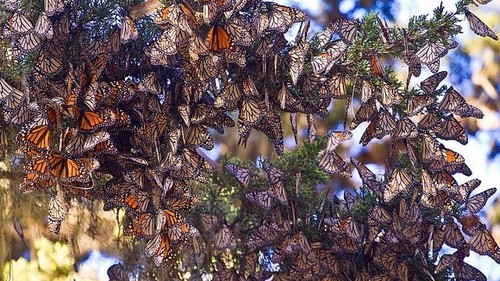
Beginning in late August, and continuing through September and October, they take a hike like no one in their immediate previous generations have done. Monarchs east of the Rockies migrate 2500 miles to the Oyamel fir trees of Mexico. Monarchs west of the Rockies migrate to southern California to the eucalyptus trees of Pacific Grove and surrounding areas. We all know birds migrate long distances, but the monarch is the only insect that can fly 2,500 miles to a warmer climate to hibernate, keeping its heart rate low to conserve energy for the return to its summer home.
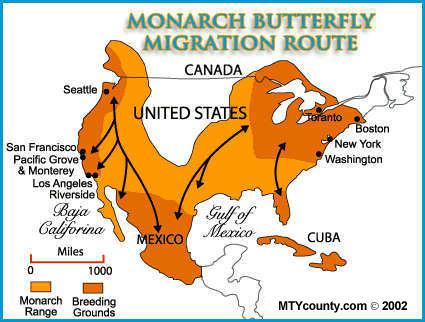
Sadly, I don’t see these beautiful creatures as often. They have become more of a trophy spotting, one here and one there, rather than seen in little groups as in the past. What has happened to our bright orange winged friends?
Population Decline
The downward trend over the past decade is attributed to several causes.
1. Summer 2012: Drought
Drought and excessive heat in the mid-continent during summer 2012 resulted in low reproduction.
2. Winter 2012/2013: Record Low
The area of forest covered with monarchs was only 3 acres, compared to the 17-acre average.
3. Spring 2013: Cold Temperatures
The first generation monarch after the Mexico wintering is produced in the southern U.S. The cold temps during this spring caused late development and they were late to migrate northward where they encountered more unusually cold temperatures across the mid-continent.
4. Summer 2013: Unproductive Breeding
Low winter numbers, cold spring temperatures, and a delayed spring migration meant few monarchs entered the northern breeding grounds in June. Many observers didn’t see a monarch until August, other people saw none at all.
5. Winter 2013/2014: New Record Low
The area of forest covered with monarchs plunged to only 1.65 acres. In 1996 one billion monarchs resided on 50 plus acres. This year the population was estimated at just 33 million.
Other factors contributing to the decline include:
Milkweed Loss
Decreased amounts of milkweed, the primary monarch food, is of major concern. The U.S. corn belt produces about half of the monarchs that migrate to Mexico. Milkweed is being eradicated from corn and soybean cropland by the increased use of herbicides on genetically modified, herbicide-tolerant crops (GMO’s).
Close Quarters
The entire population overwinters together in a very small forest microclimate to survive the winter in central Mexico. This makes the entire population vulnerable to a single storm, drought, fire, or disease.
Illegal Logging
Deforestation from illegal logging continues to threaten the monarch’s forest and disrupt its delicate microclimate.
What Can I Do to Help?
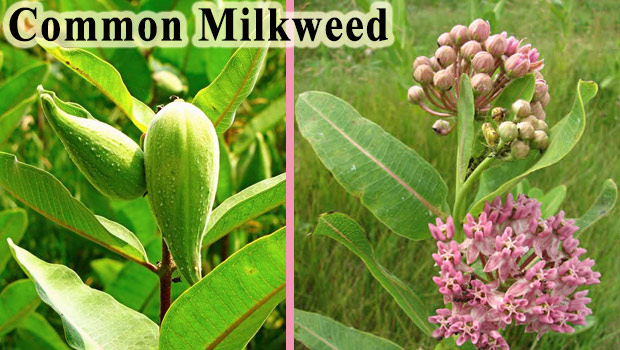
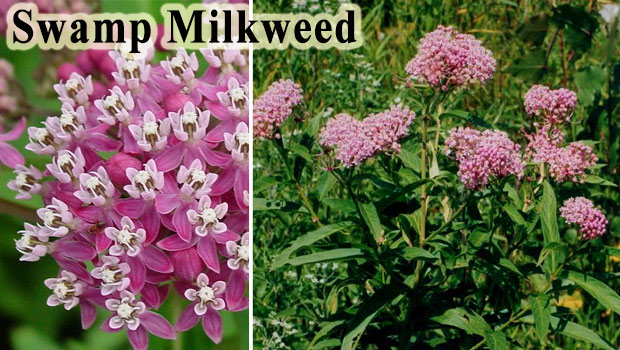
•Plant native milkweed
Some non-native plants disturb migratory patterns.
•Provide nectar plants
Include flowers that bloom during fall migration.
•Avoid pesticides
Pesticides kill monarchs at all stages of the life cycle!
•Report your monarch observations
Tell Christine Craycroft, Executive Director of the Portage Park District. She would love to know of any pockets of growing populations and how to encourage more.
•Contribute to conservation efforts
Support organizations that protect monarch habitat on the breeding grounds, along the migration route, and at the overwintering sanctuaries in Mexico.
Learner.org is a great site to help you get started on your journey into learning more about the amazing life of the monarch and how you can help. Also, check out MonarchWatch.org.
•Plant a butterfly garden
…and that will be the topic for a future article!
[new_royalslider id=”28″]
Do you have monarchs near your home? If you are one of the few who still has them in your yard or garden, please take pictures and send them to us at drafts@portagenews.net.
*with the exception of the map, milkweed, and butterfly colony, all photos were taken by our nature-loving social media manager and creative designer, Stacey Rauch, who volunteers as a photographer for the Geauga Park District.