


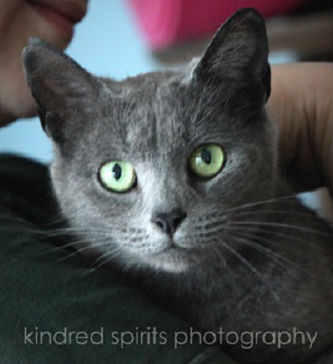
 Anastasia is a 3 year old community cat that was living in a wooded area for about a month. She was rescued and is now up for adoption with Rose’s Rescue.
As June is Adopt-A-Shelter-Cat month, I would like to talk about some of the less adoptable cats out there that could use some help. If you would like to see information about adopting a cat, please check out the humane society’s webpage for tips. You can find that HERE. Check out Petfinder to search for a new feline friend or rescue groups and shelters near you. However, there are some cats out there that are not lucky enough to have been rescued.
The cat situation in many areas is quite a sad thing to see; animals left by their owners to fend for themselves. We call them feral cats or alley cats, but there is a difference between an actual feral cat born and raised in the wild and a stray cat, one that lived with humans and was lost or abandoned.
As I checked online for information about feral or alley cats, I see that many groups call them neighborhood cats or community cats. Cats that are just out there fending for themselves. I prefer to call them community cats. With the involvement of the community in which these poor souls resided, help can be given.
Many community cats living in an area are considered a colony. There are caring people out there that will help with a colony by taking food and water to them, trapping them, getting them spayed and neutered and at least a rabies vaccine, and then returning them to the colony.
While Wikipedia lists the average lifespan of a feral cat as 4.7 years, the ASPCA states if a feral cat survives kittenhood, the average lifespan is less than two years if living on its own. If a cat is lucky enough to be in a colony that has a caretaker, they may reach 10 years of age.
A colony caretaker is an individual (or group of individuals) who manages one or more feral colonies in a community. The caretaker keeps an eye on the cats, providing food, water, shelter, spaying/neutering and emergency medical care. In most cases, organizations and vets know these people because of the community service they provide. Some shelters and rescue groups even give out free or low-cost spay/neuter coupons to colony caretakers.
If you think you might wish to become a colony caretaker, here are some suggestions from the ASCPA:
- Offer your help to established colony caretakers. Ongoing needs include feeding, trapping, transportation to and from the veterinarian, temporary housing for cats after surgery, and fostering and socializing kittens for the purpose of finding them good homes.
- Contact local shelters or welfare groups to see if a Trap Neuter Return workshop is available in your area.
- Start with the cats in your own backyard—educate yourself about Trap Neuter Return and learn to trap cats and have them spayed or neutered.
For those that are not comfortable actually dealing with the cats, there are different ways to help including the following suggestions from the ASPCA:
- Write letters to the editors of local papers about the cats in your community.
- Make contacts for TNR with local veterinarians and businesses.
- Lobby government officials about the benefits of TNR.
- Help raise funds for local or national TNR groups.
We can all do something. Just educating the public can make a huge change. Changing the public’s mindset to I Can Help vs. let someone else worry about it, can certainly change the world.
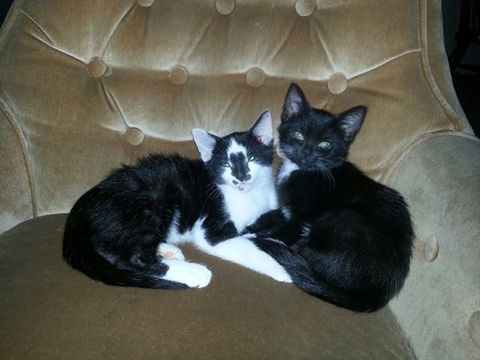
This is Jamie and Mina. They are 12 week old sisters and they are in need of a new home.
The Human Society of the United States does have a website listing area feral cat groups that might be able to help. I found the Ohio list HERE. I personally have volunteered with the Petfix of Northeast Ohio group. They bring a mobile clinic and do spay and neutering on site. They make monthly trips to the Portage County Dog Warden’s Shelter and the Portage Animal Protective League. Spaying and neutering is at a lower cost, and they will do feral cats. You can check out their website for schedule date or call the Dog Warden’s office 330-297-6924 or PAPL 330-296-4022 for schedule date. You must make an appointment for these clinics.
So, there is help available, you just have to search for it. If you make the commitment to help, please do not give up. I have a friend that had stray cats start to show up on her door step. She could feed them, but wanted them all fixed. She called many places and found several that would help her. In all cases, the cats needed to be returned to her home as there was nowhere else for them to go. Sometimes the locations are a little further than we would like, but she worked on it, got them all done, but of course more started showing up. She built cat shelters for the winter and of course, keeps them fed. That is the best she can do for them.
I have another friend that cares for a colony of cats living in a parking lot near a dumpster. I did contact her when I had someone looking for a barn cat. She was thrilled to deliver to that person a fully vetted animal. At least they got out of the parking lot. If you know anyone looking for a barn cat, there are places that you may contact to help them locate a good cat for their needs.
Since I volunteer for a pet rescue, I know the problem is great, but we can pull together to help where we can. Some of us go above and beyond, and I thank you for that. Together, no problem is insurmountable. Now go adopt a cat – or a colony!!
 This is Kit and Kat and they are in desperate need of a new home. Their elderly owner died and they have no place to go. They are both spayed females.
Facebook Sites
Portage County Dog Warden’s Shelter