


July has been a humid, wet, tropic-like country for those in Northeast Ohio, and Portage County has not been exempt. Asia, Africa and other tropical locales come to mind some days when one steps outside and melts. Your herbs are probably feeling the same strain! Though I wish I could offer some magical solution to soggy sad gardens, unless you dig up plants and remove them from the ‘tropical zone’ to a cooler more controlled climate, or shelter them some way from any more water with a cover, they will have to endure.
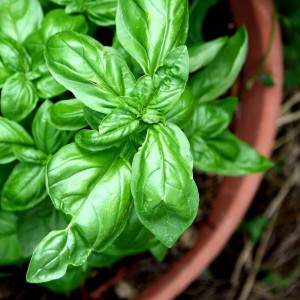 These are days to think about what might be done next year in case this scene repeats itself – which is certainly a possibility! So let’s dream for minute that we actually DO live in the tropics! What grows there? Here’s some tasty and beautiful plants you would most likely see: basil, cilantro, garlic, chives, mint, oregano, parsley, rosemary, thyme and turmeric. Sound familiar? These are really very versatile and can be grown in a variety of climates, but with some of the summers Northeast Ohio must tolerate, these may be safe options to try next year if you haven’t already.
One of the best ways to guard against soggy sick plants is to use containers for at least half of your plants. That way, if the rains do come along with the heat and humidity you can simply transfer them to the indoors. It’s also a great way for the artist in you to exercise more freedom as it gives you the option of constantly changing things up as plants bloom, grow, and change shape. You can also use these decorative pots for party decorations both in and outdoors.
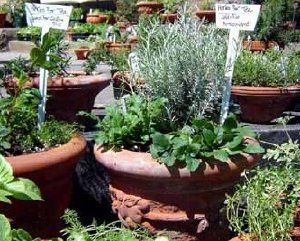 Be sure to plant the herbs in a high-quality potting soil in containers with good drainage. The ideal containers for growing herbs in tropical conditions are glazed ceramic pots which hold up better than plastic but lose less moisture than unglazed clay. Make sure they have plenty of drainage holes to prevent soggy soil and is light in color to minimize heat absorption. Natural fertilizers should be applied on occasion as well.
Bolting may occur in plants that receive too much heat. Cilantro, basil and dill are a few examples. They will stop producing leafy growth and flower instead then go to seed. Yet another good reason to use pots so you can control the amount of heat and sunlight. Just be sure to water if you remove them completely from the rains!
If you happen to have a garden in a low spot, consider digging up a new area for next year a little higher up – or even create an elevated area just for better drainage. If you’re a true gardener and just can’t imagine life without one, this may be the best solution for you when tropical heat hits the non-tropics and stays!